Content Marketing for Mobile Devices: Step-by-Step Strategies for 2026
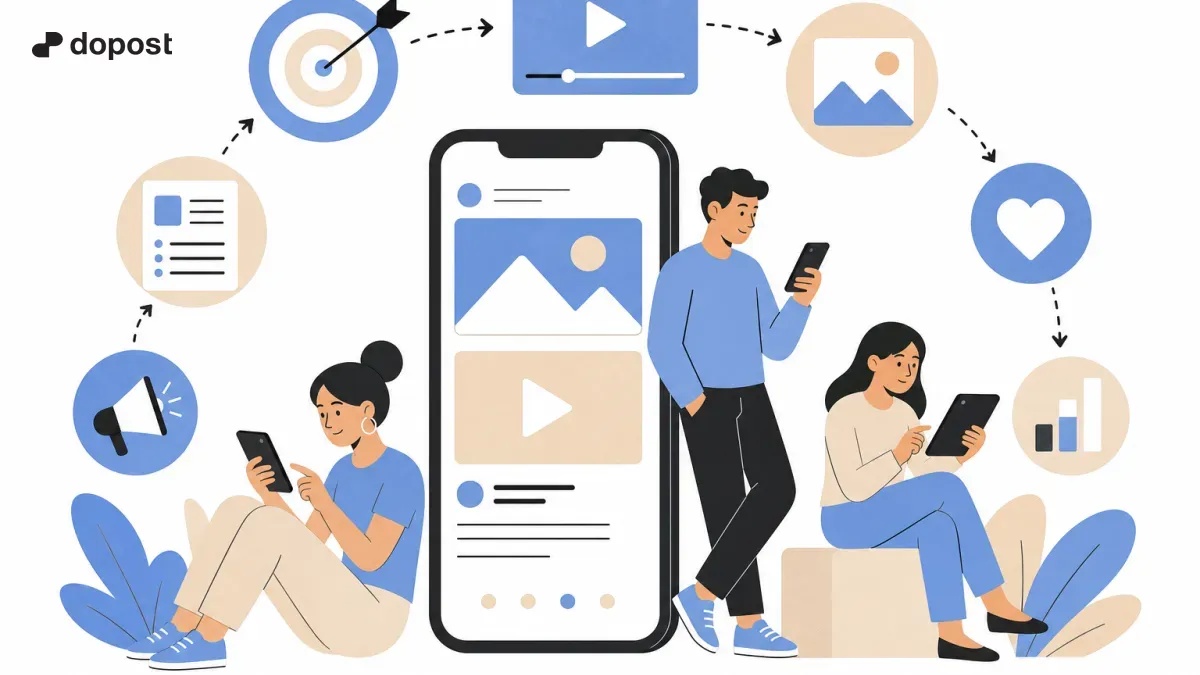
In 2026, the use of mobile devices to consume digital content surpasses any other medium. That is why having a mobile-adapted content marketing strategy is essential for creators, small businesses, and agencies.
This article will guide you step by step to design and execute an effective mobile device marketing strategy. It includes everything from creating specific content to optimizing the experience and key trends you should not ignore.
If you want to publish more, better, and for the audience that consumes the most today, here you will find a clear plan, with practical examples and without unnecessary technical complications.
Why Mobile Content Marketing Is Essential in 2026
The consumption of content on mobiles grows relentlessly. More than 70% of global web traffic comes from smartphones and tablets. This means that any strategy that does not adapt to mobiles loses reach, impact, and conversions.
Additionally, mobile users have very specific expectations: content that is quick to consume, visually optimized, and easy to interact with on small screens.
Therefore, mobile content marketing is not just a rescaled version of desktop content. It requires design, format, and channels adapted to this reality.
- More consumption time on mobiles than on PCs.
- Mobile users prefer visual and dynamic content.
- Mobile platforms prioritize content optimized for their users.
- SEO and mobile experience are fundamental for visibility.
How to create effective mobile content step by step
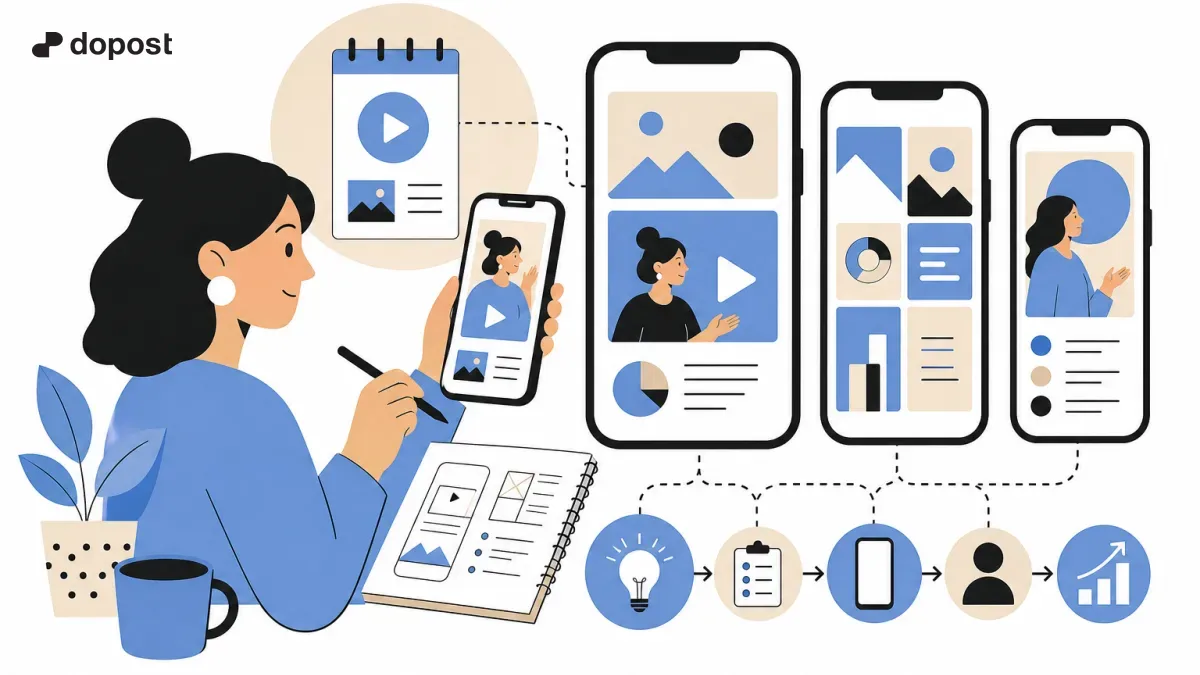
To create content that really works on mobile, follow these clear and practical steps:
1. Know your mobile audience: Define who they are, what devices they use, and their consumption habits.
2. Prioritize visual and brief content: Videos, infographics, and short texts that are quickly read work better.
3. Optimize for speed: Content that loads quickly and is designed for mobile connections improves retention.
4. Use appropriate formats: Stories, reels, or interactive posts that take advantage of app functionalities.
5. Include mobile calls to action: Large, clear, and easy-to-tap buttons encourage interaction.
- Use images and videos that adapt to different resolutions.
- Avoid long and complicated texts, prioritize clarity.
- Design with a "mobile first" approach, thinking mobile first.
- Test and adjust the content according to performance on real devices.
Optimization for Mobile Users: Essential Techniques
Beyond the content, the mobile user experience must be perfected to maintain interest and generate conversions:
- Responsive design: Pages and content must adapt to any screen size without losing functionality or visual quality.
- Simple navigation: Clear menus, quick access, and intuitive structures encourage staying.
- Fast loading: Minimize image weight and avoid heavy elements that slow down the mobile.
- Touch interactions: Buttons and links must be easy to touch, with sizes suitable for fingers.
- Frequent testing: Use of tools that simulate devices and analysis of the real behavior of mobile users.
- Implements lazy loading for images and videos.
- Avoid intrusive pop-ups that hinder navigation on mobile devices.
- Ensure that forms are brief and easy to complete.
- Use readable fonts and appropriate sizes for small screens.
Mobile Marketing Trends in 2026 You Should Follow
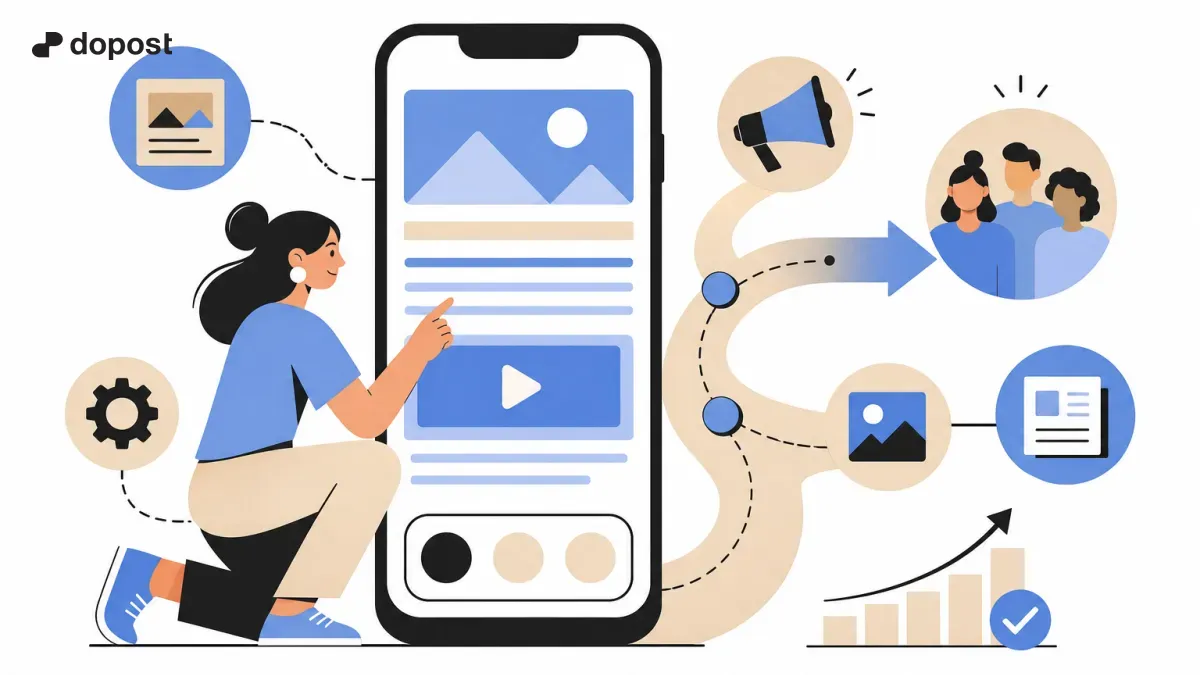
This year brings innovations and changes in mobile marketing that will help you stand out:
- Content in vertical format: Videos and creatives designed to be viewed vertically, optimizing attention.
- Augmented reality (AR): Integrated into apps to create immersive experiences that connect better with the audience.
- Artificial intelligence for personalization: Content and offers adapted in real time to mobile user behavior.
- Micromoments: Taking advantage of specific moments when the user seeks quick and concrete information on mobile.
- Integration with new and emerging social platforms where the mobile audience is dominant.
- Investment in short mobile video, such as reels and stories, is increasing.
- Experiment with AR for products and promotions.
- Use mobile AI chatbots to improve service and customer acquisition.
- Measure and optimize campaigns according to mobile behavior in real time.
Frequently Asked Questions about Mobile Marketing in 2026
Why is it so important to adapt content for mobile devices?
Because most current digital consumption occurs on mobile devices, and those users expect fast, clear, and optimized content for their screens.
What is the most common mistake when doing mobile marketing?
Trying to faithfully replicate the desktop content without considering the specifics of the mobile user, which results in a poor experience and low interaction.
What content formats work best on mobile devices?
Short vertical videos, optimized images, brief texts, and interactive formats such as polls or stories work better on mobile devices.
How can I measure the success of my mobile marketing?
Use analytical tools that segment traffic by devices, observe metrics of dwell time, bounce rate, and conversions specifically on mobile devices.
Conclusion: Plan for mobile success starting today
In 2026, mobile content marketing is not optional, it is essential to reach and connect with your main audience.
Adapt your content, optimize the experience, and leverage emerging trends to achieve greater impact and return.
Remember: the key is to understand the mobile user, simplify communication, and use technology to your advantage to differentiate yourself.